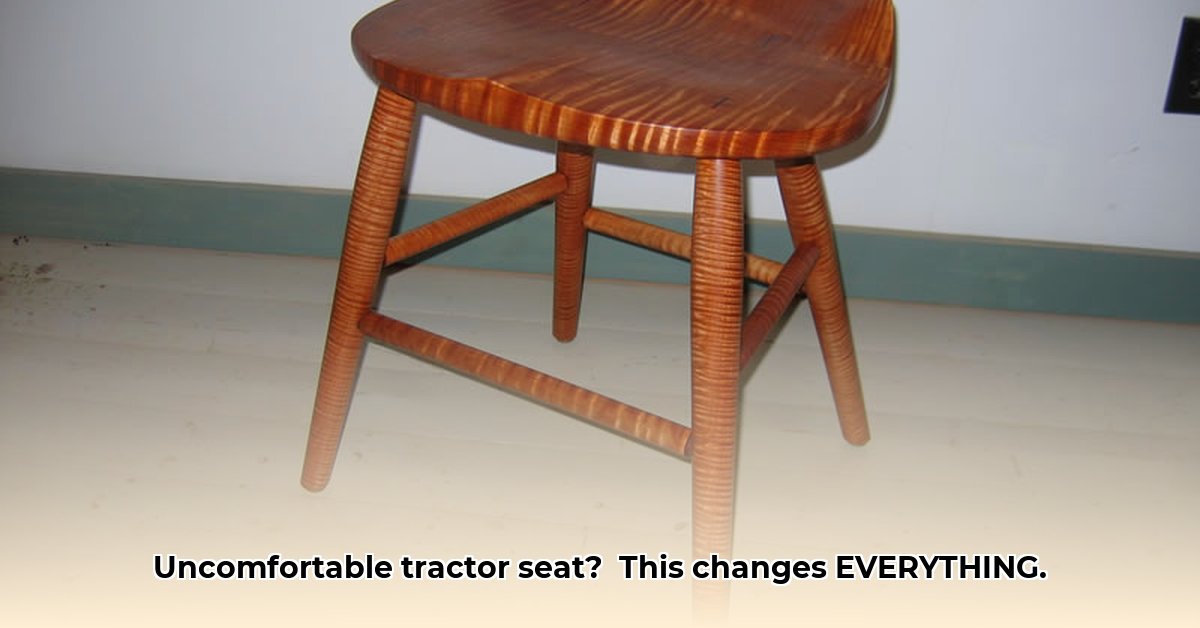
Tractor Seat Comfort: A Foundation for Sustainable Agriculture
Farmers spend countless hours operating tractors. The comfort, or lack thereof, of their seats significantly impacts their health, productivity, and the sustainability of their farms. While we often focus on crop yields and soil health, the impact of tractor seat design is surprisingly overlooked. A comfortable, well-designed seat can be a crucial factor in a farmer's well-being and operational success. However, research into this crucial link remains surprisingly scarce. Isn't it time we addressed this critical gap? For more information on ergonomic tractor seat designs, check out this resource.
The Comfort Gap: A Critical Research Deficit
A wide variety of tractor seats are available, yet detailed information about their ergonomic design and health impacts is limited. This lack of data hinders efforts to prevent farmer health issues. We urgently need research to understand the relationship between seat design, farmer fatigue, musculoskeletal disorders, and overall productivity. This knowledge is fundamental to building a more sustainable agricultural future. How can we effectively address the health and productivity challenges faced by farmers without this essential data?
Comfort and Productivity: A Direct Correlation
Persistent back pain from an uncomfortable tractor seat translates to fatigue, decreased concentration, and lower efficiency. Simple tasks take longer, negatively impacting overall farm output. Conversely, a well-designed seat improves physical and mental well-being, allowing farmers to work longer and more effectively. The equation is simple: better comfort equals better productivity. This translates directly into improved farm profitability and sustainability.
The Human Cost: Beyond Productivity and Profitability
Discomfort goes beyond reduced yields. Constant physical strain contributes significantly to burnout and health problems, impacting recruitment and retention of new farmers. Young people are less likely to choose a career associated with chronic discomfort and potential health consequences. Improving tractor seat ergonomics is therefore an investment in the future of agriculture and essential to improving farmers' quality of life.
Actionable Steps: A Collaborative Approach
Addressing this issue requires a combined effort from various stakeholders. We need to prioritize research, improve seat design, and promote sustainable farming practices that value the health and well-being of farmers. What specific actions can we take to improve the situation?
Immediate Actions for Enhanced Comfort and Productivity
1. For Farmers:
- Assess your seat: Evaluate your current tractor seat for comfort. If uncomfortable, consider upgrading to an ergonomic model.
- Seek medical help: Report persistent back pain or discomfort to your physician.
2. For Manufacturers:
- Conduct ergonomic evaluations: Thoroughly assess seat designs using established methods and incorporate farmer feedback.
- Improve design and adjustability: Create seats that provide support, adjust to individual needs, and include features that enhance comfort (e.g., heating/cooling).
3. For Researchers:
- Conduct rigorous studies: Investigate the link between seat design, farmer health metrics, and productivity.
- Publish findings: Ensure research is published in peer-reviewed journals to inform best practices.
4. For Government Agencies (e.g., USDA):
- Allocate research funding: Increase funding for studies on agricultural worker health and safety, focusing on tractor seat ergonomics.
- Develop safety guidelines: Create and enforce policies and standards for tractor seat design.
A Collaborative Framework for Sustainable Improvement
| Stakeholder | Short-Term Actions | Long-Term Actions |
|---|---|---|
| Farmers | Evaluate seat; report health concerns. | Advocate for better standards; participate in research. |
| Manufacturers | Improve designs; solicit farmer feedback. | Invest in R&D develop advanced seat technology (climate control, active suspension). |
| Researchers | Conduct studies linking seat design to well-being. | Develop ergonomic design guidelines. |
| Govt. Agencies (e.g., USDA) | Fund research; review safety regulations. | Implement policies promoting farmer health & safety; enforce standards. |
The solutions will evolve as research progresses. Even small improvements in tractor seat comfort can significantly impact farmers' lives and the sustainability of our food system. This is not merely about comfort; it's about investing in the people who feed the world.
Choosing the Most Ergonomic Tractor Seat: A Holistic Approach
Improving operator comfort directly impacts farm productivity and sustainability. Ergonomic tractor seats reduce fatigue and health risks, leading to improved efficiency and worker well-being. Tire selection also plays a crucial role in ride quality and comfort, influencing the overall operator experience. A holistic approach, combining tire choice with ergonomic seating, is key to maximizing benefits. Further research and collaboration are essential for developing superior standards and seat designs. What are the key features to consider when selecting a seat that prioritizes both comfort and productivity?
Features for Optimal Tractor Seat Selection
When choosing a tractor seat, prioritize these key features:
- Suspension: Advanced suspension systems (air suspension) are crucial for absorbing shocks and vibrations.
- Adjustability: Height, lumbar support, and angle adjustments are essential for accommodating various body types and preferences.
- Cushioning: High-quality, durable cushioning materials provide long-lasting comfort and support, reducing fatigue.
- Durability: The seat must withstand the rigors of daily farm work with materials resistant to wear and tear.
Selecting the right tires is equally important. Flotation tires, for example, offer a smoother ride than conventional tires, especially in challenging terrain. Maintaining proper tire inflation is crucial to minimize vibration and discomfort. The right tire complements the comfort offered by an ergonomic seat. This holistic approach is critical for maximizing operator comfort and farm productivity.
The Need for Continued Research and Development
Despite the significance of operator comfort, research in this area remains limited. We need standardized testing methods and more comprehensive studies on the long-term health impacts of prolonged tractor operation. This research will be essential for developing better seat designs and improving farmer health. Investing in research and development is a critical step towards a more sustainable and productive agricultural future. Collaboration between various stakeholders will greatly accelerate progress in this area.